How "Kijiji" works in Kibera
Kibera is an informal settlement just seven kilometres south of Nairobi’s city centre. It is one of the most impoverished communities in Kenya and the largest informal settlement in all of Africa. Population estimates range from 500,000 to 1 million residents.
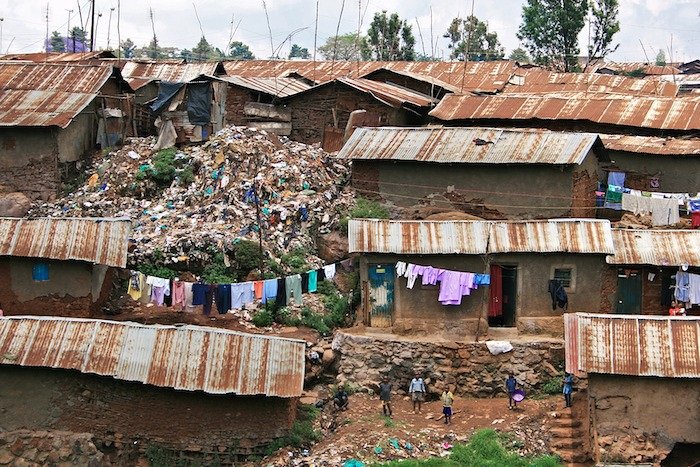
Every day, the people of Kibera rise to the challenge of life in a sprawling urban area with spotty or nonexistent services such as electricity, potable water, and sanitation. A typical home is 12 ft by 12 ft, with mud walls, a dirt floor and a corrugated tin roof. Unemployment is high. One survey found that average earnings in Kibera are less than US$2 per day. People work hard just to survive. A 2012 Economist article suggested Kibera “may be the most entrepreneurial place on the planet.”
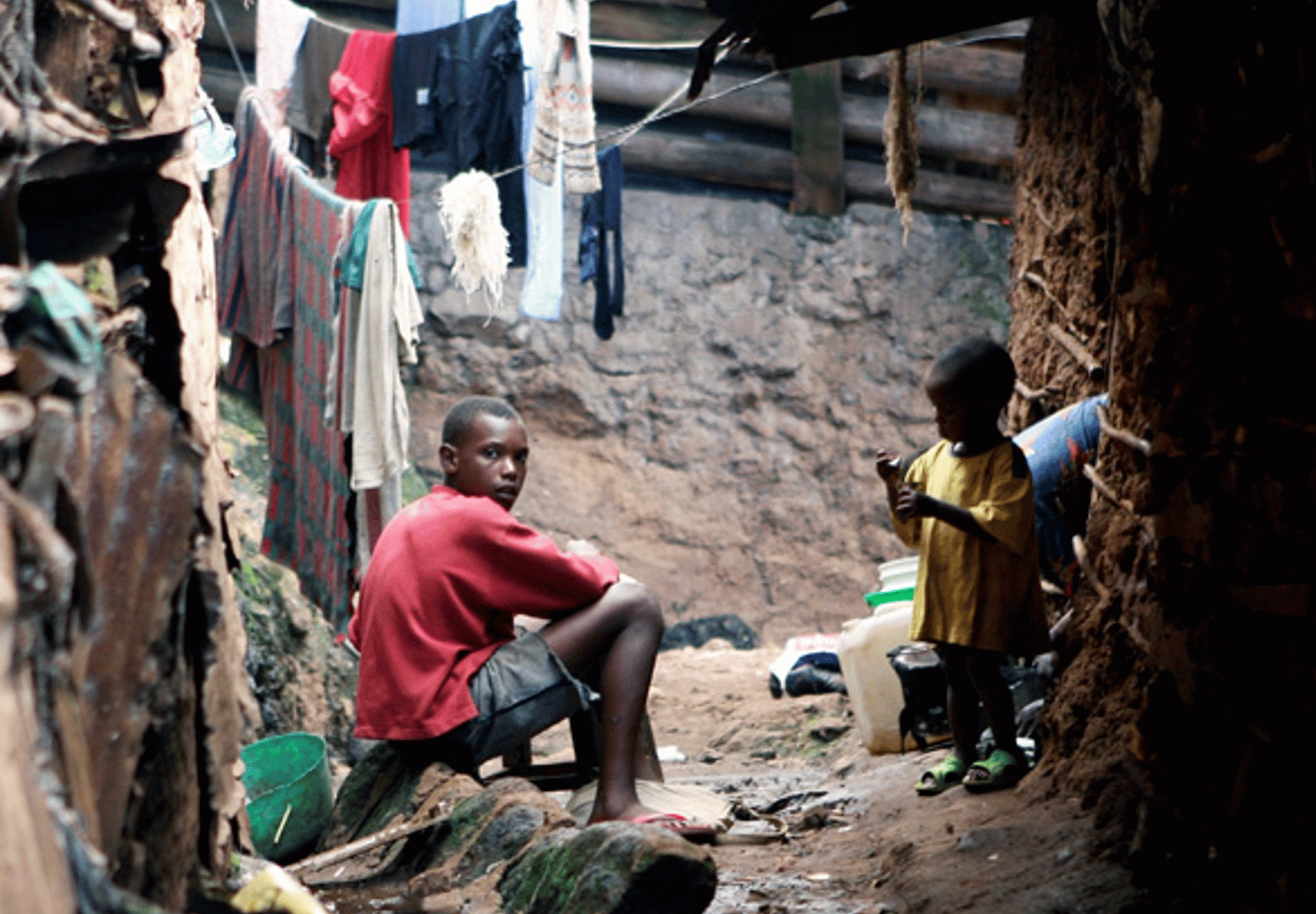
Extreme poverty and a lack of basic services such as schools and health care spawn social problems. People living with HIV require antiretroviral drugs and good nutrition daily to survive. Drug and alcohol abuse is high, often leading to family abandonment and violence, including gender-based violence. When one or both parents are absent, due to death, abandonment, or inability to provide, children fall through the cracks. Thousands of orphaned and vulnerable children in Kibera go without regular meals, health care, education and loving homes.
Kijiji Cha Upendo in Kibera
Andrew and Leonora Obara founded Kijiji Cha Upendo (“Village of Love” in Swahili) in 2010 to support Kibera families that had taken in children orphaned by the HIV/AIDS pandemic. The Obaras themselves had raised 10 orphaned children, all of whom went on to pursue further education with help from Runnymede United Church (see Village of Love Canada).
The Obaras scaled up their lived experience, adding sound development practices to create a sustained, growing program. What started as a “cluster” of 15 families has grown into a program supporting 150 families and more than 700 children! Kijiji Cha Upendo is a registered Community-Based Organization in Kenya, eligible for charitable and government support.
From the beginning, “Kijiji” focused on low-income families in Kibera that already care for orphaned children, bringing them into the program where they gained additional support to raise their children. This way, there is no risk of adults taking in children simply to join the program.
How programs are delivered
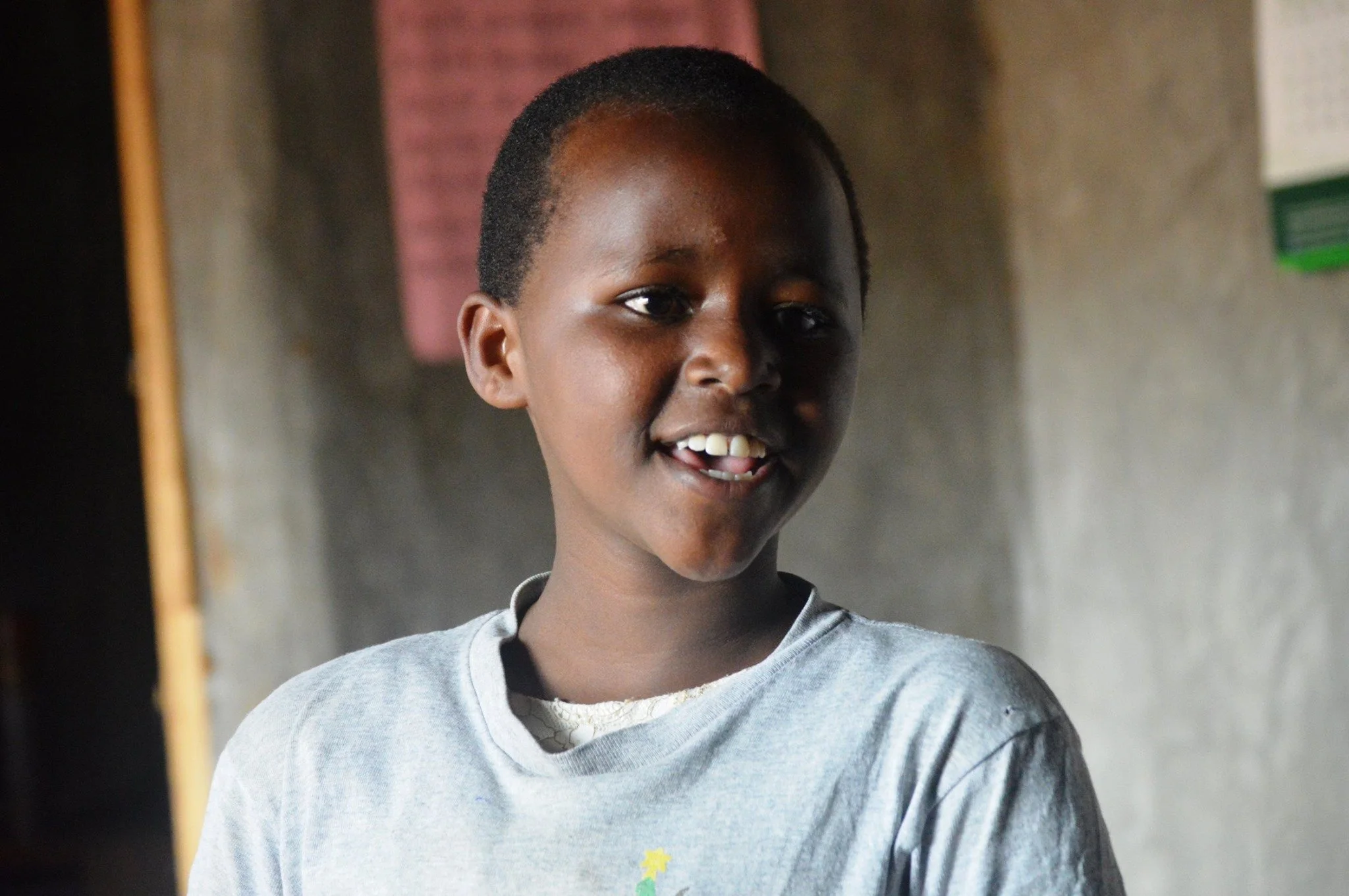
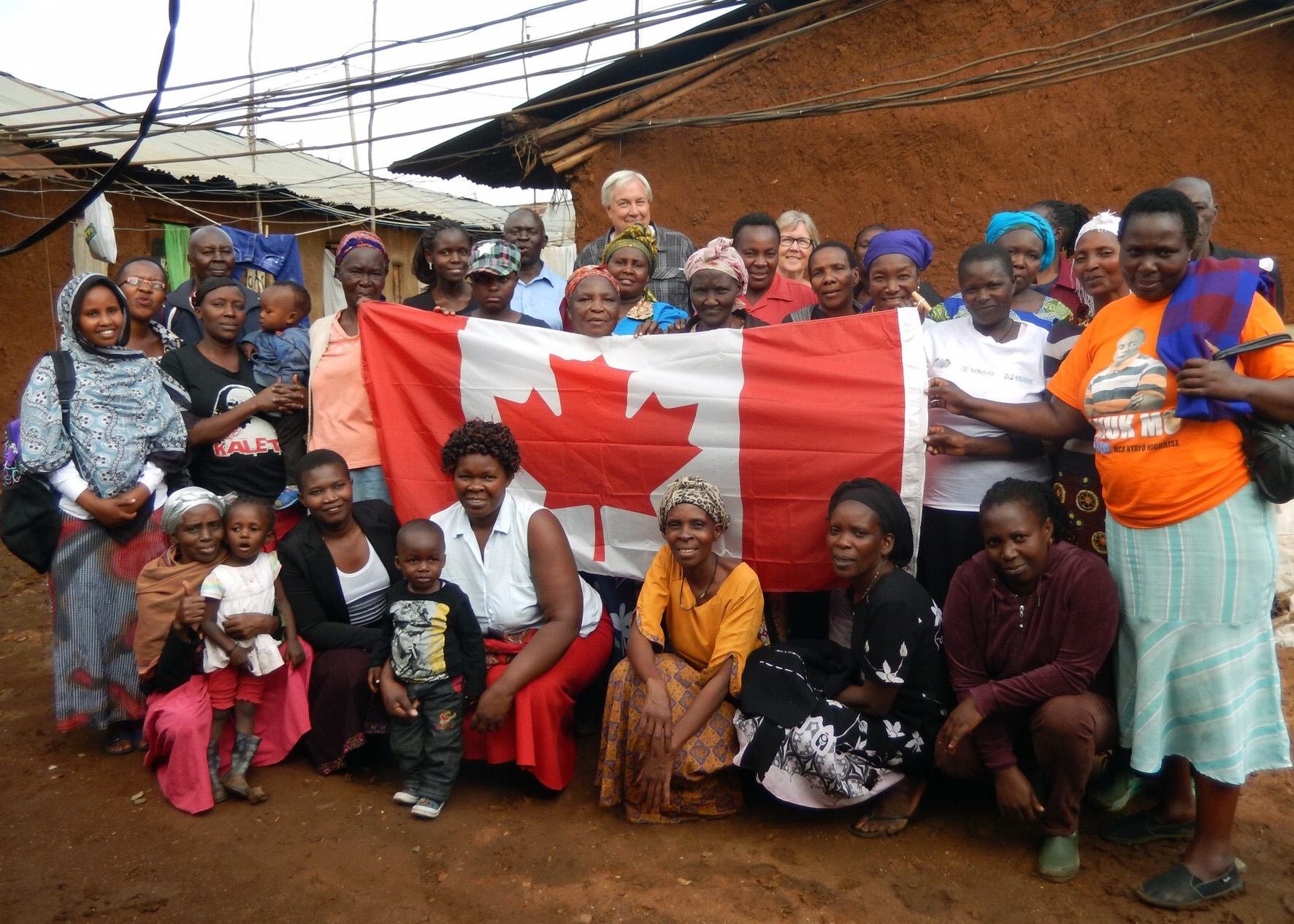
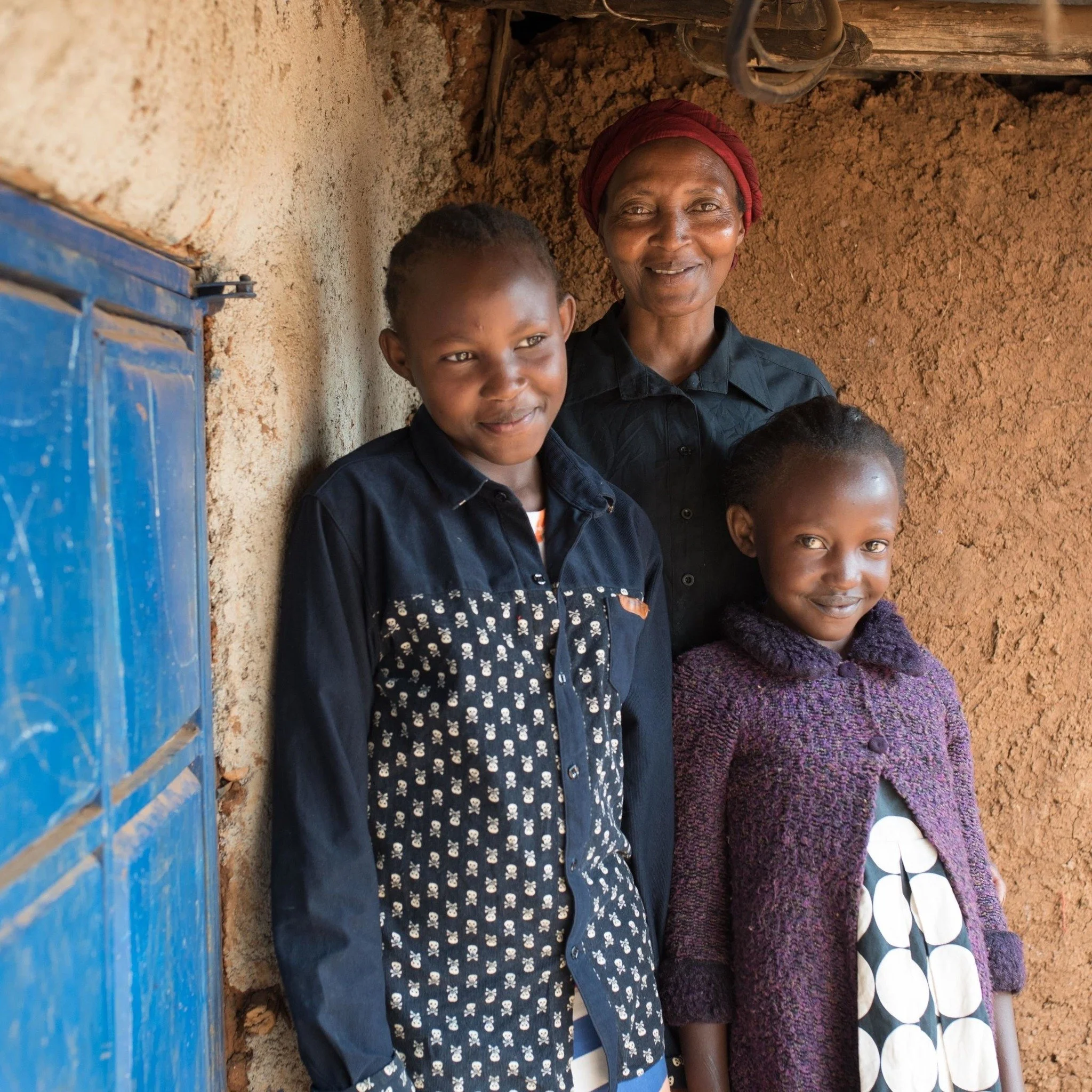
The foundational structure of the work remains clusters of 15 women. From the beginning, Kijiji Cha Upendo has focused on women, as this is the best way to benefit the children in their care. When women are economically empowered, the benefits go directly to their families. Children are fed, clothed and go to school.
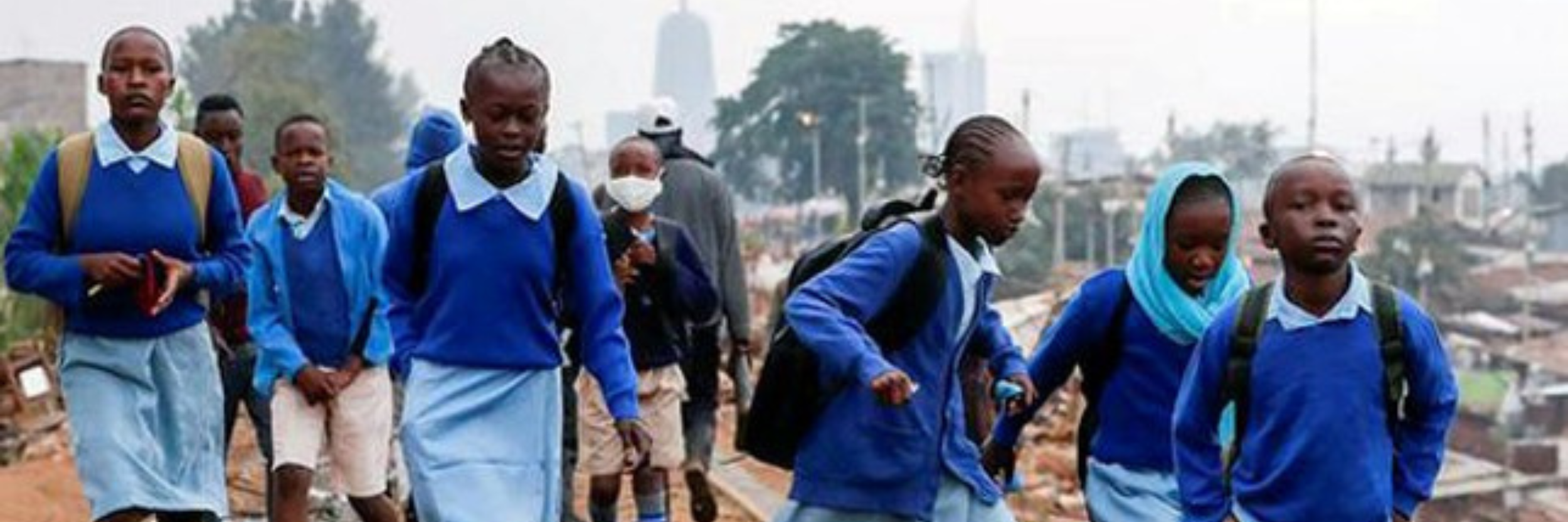
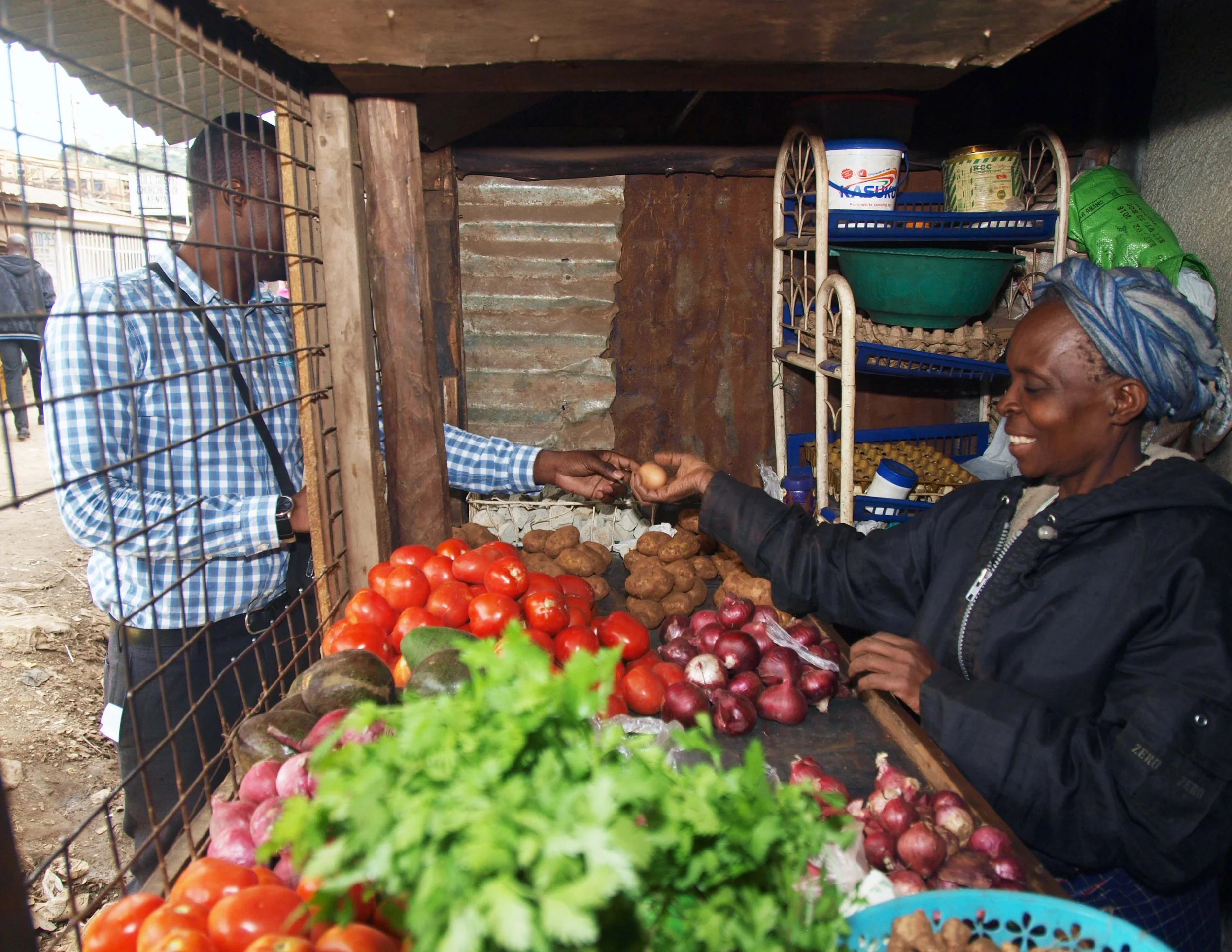
In the clusters, women receive business training and small loans to increase family incomes. Peer savings groups help caregivers address unexpected needs. Basic health care training and support for urban gardening help ensure children are fed and healthy. The “Kijiji” team accompanies children to help them succeed in school and ensure they are doing well physically and emotionally. Where needed, small bursaries help families with school fees, books and uniforms.
Extreme poverty is hard on people. Kijiji Cha Upendo provides one-to-one counselling for children and women as needed. They help women form mutual support circles, with space to discuss issues ranging from gender-based violence and parenting challenges to celebrating birthdays together.
Kijiji Cha Upendo also steps in to help during emergencies, such as climate events (droughts, flooding), health events (HIV/AIDS, COVID), and political events (violent protests, USAID cuts).
Through the Village of Love approach, women and children are finding their voice, their community, and their value. Watch as Joyce speaks about how clusters work and the difference the program has made in her family's life.
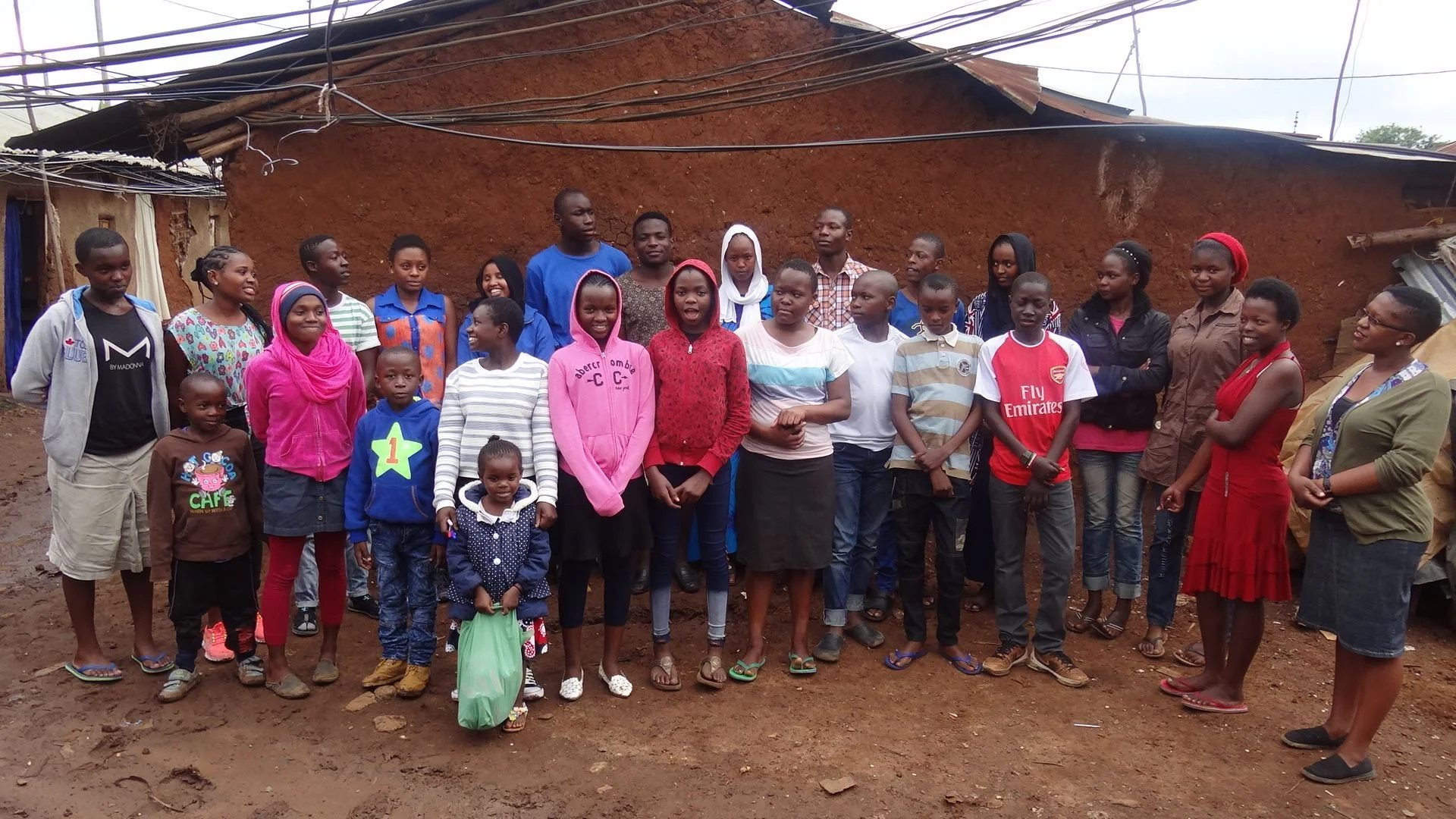
Good works rarely happen in isolation. Kijiji Cha Upendo is well-connected with government and local leaders. They regularly tap into universities and nongovernmental organizations for training and consulting. Kijiji is connected internationally, receiving support from Canadian Samaritans for Africa and Women’s Inter-Church Council of Canada, among others. Village of Love Canada is by far their most significant supporter financially.
The plight of orphaned and vulnerable children in Kibera is grave, given all the challenges in the community. But Kenyans are strong. Women caregivers are strong and capable. And children are resilient and will make the most of opportunities if they are available to them.
Canadian donors are key partners with “Kijiji” and the women and children of Kibera. Your support makes the good work possible.
It takes a village…