
Five program pillars
Over its 15-year history, Kijiji Cha Upendo has developed a five-pillar approach to providing holistic, wraparound support for women and children. Read on to learn how “Kijiji” staff and volunteers deliver programs in the community.
The numbers below are Kijiji Cha Upendo’s cumulative impact from 2014 to 2025.

Education Support
1,400+ vulnerable children supported in education
Kijiji Cha Upendo supports children’s education through healthy, resilient homes for orphaned and vulnerable children. When women are part of savings clusters, grow nutritious vegetables, or use a microloan to expand their businesses, they can provide their children with uniforms, books, and school fees.
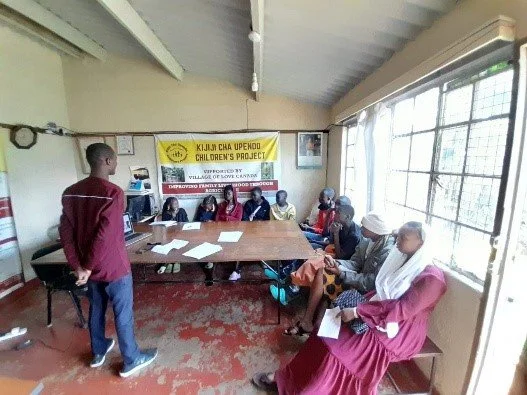
But Kijiji does more. Through partnerships with local schools, they assist young learners with fees when needed. The “Kijiji” office is regularly used as a reading and tutoring hub. During school holidays, camps reinforce academic and life skills learning. And throughout the year, staff track school attendance and progress, working with families to address learning obstacles (seen here).
Kijiji Cha Updendo has also organized community education forums promoting education for all, particularly for girls and children with special needs.

Helping with school fees transformed Tracy’s life, and now she pays it forward.

Economic Empowerment
400+ caregivers trained in income-generating activities
Most of the women caregivers supported by Kijiji Cha Upendo run small businesses to earn income and meet basic needs, including food, health care and education for the children in their care. It’s how families survive when jobs are scarce, and the women themselves have had limited education.
Kijiji helps improve family incomes through comprehensive business training. Women are equipped with essential business skills, including saving and investing, inventory management, bookkeeping and customer service. To diversify income streams, 120 women were trained in soap-making and mat-weaving, enabling them to produce goods they sell locally to supplement family income.
200+ microloans disbursed
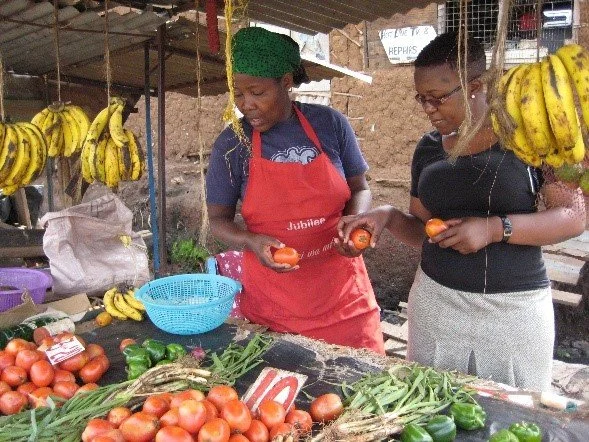
Small businesses also need investment funds. Kijiji Cha Upendo has disbursed more than 200 microloans, ranging in value from 160 to 430 Canadian dollars. Loans have been used to launch or scale up business ventures such as vegetable stalls, tailoring, selling clothes or street food, and beauty salons. Peer groups help improve loan repayment rates, which are often as high as 98 percent. This allows more women to share in the loan program.
150+ youth enrolled in vocational skills training
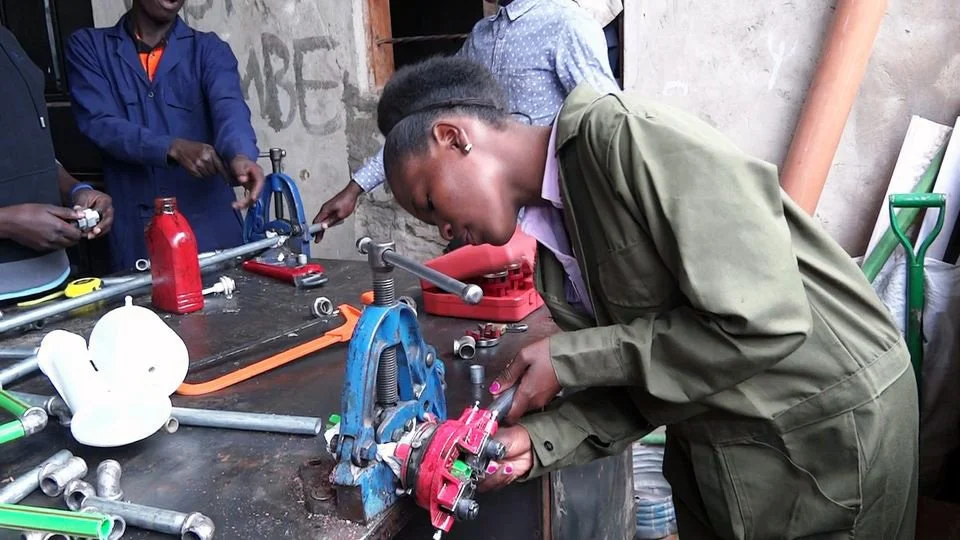
To tackle high youth unemployment, Kijiji Cha Upendo has supported vocational training for more than 150 young people. Young men and women have trained in plumbing, welding, tailoring, automotive and motorcycle repair, and beauty therapy. Youth were connected to apprenticeship opportunities or received support to start their own businesses. One unique partnership helped young people repair and maintain a fleet of used bicycles to establish a bike-rental business, generating income and promoting eco-friendly transportation.
Loans and sharing groups (referred to as “welfare”) empower resilient women.
Young men gain valuable work skills with the help of Kijiji Cha Upendo.
Health and Nutrition
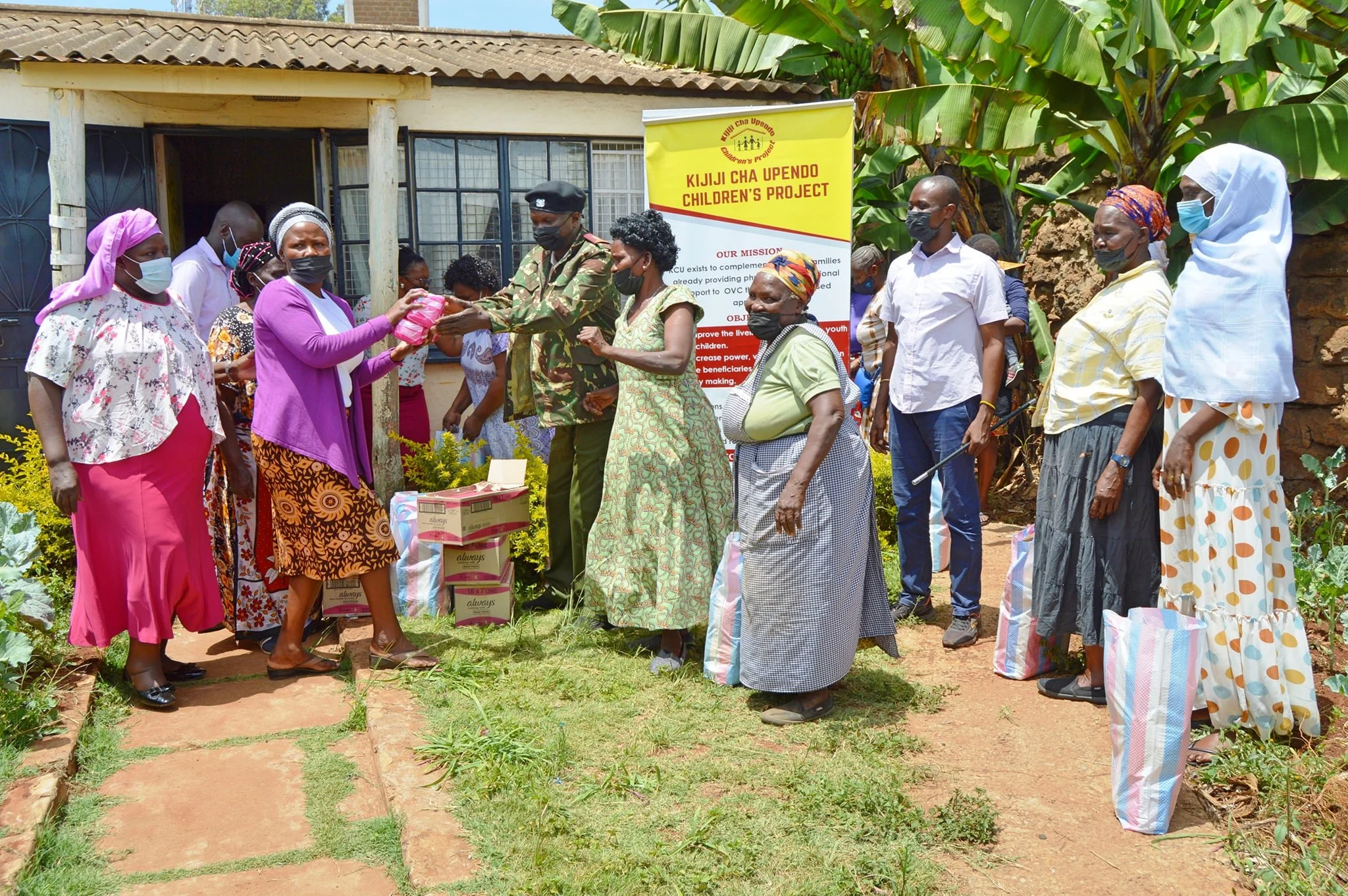
850+ people received health and nutrition support
With average incomes in Kibera below US$2 a day, there is not always enough money to provide nutritional meals for family members. Kijiji Cha Upendo knows that the dietary needs of children and caregivers are essential to everything else. This is particularly true of people living with HIV who need to keep their immune systems strong and their bodies healthy. Kijiji Cha Upendo helped more than 850 people access health and nutrition support, providing items such as fortified flour, cereals, multivitamins and honey.
In recent years, crises have put extra strain on food supplies. Weather-related stresses such as floods and drought have increased. The COVID pandemic and the recent cuts to USAID (cuts that deeply hurt people affected by HIV) added to food insecurity. In times of special need, Kijiji Cha Upendo reached out to Village of Love Canada for additional support and, with their help, provided supplemental food baskets to families.
60+ caregivers learned small-scale farming techniques
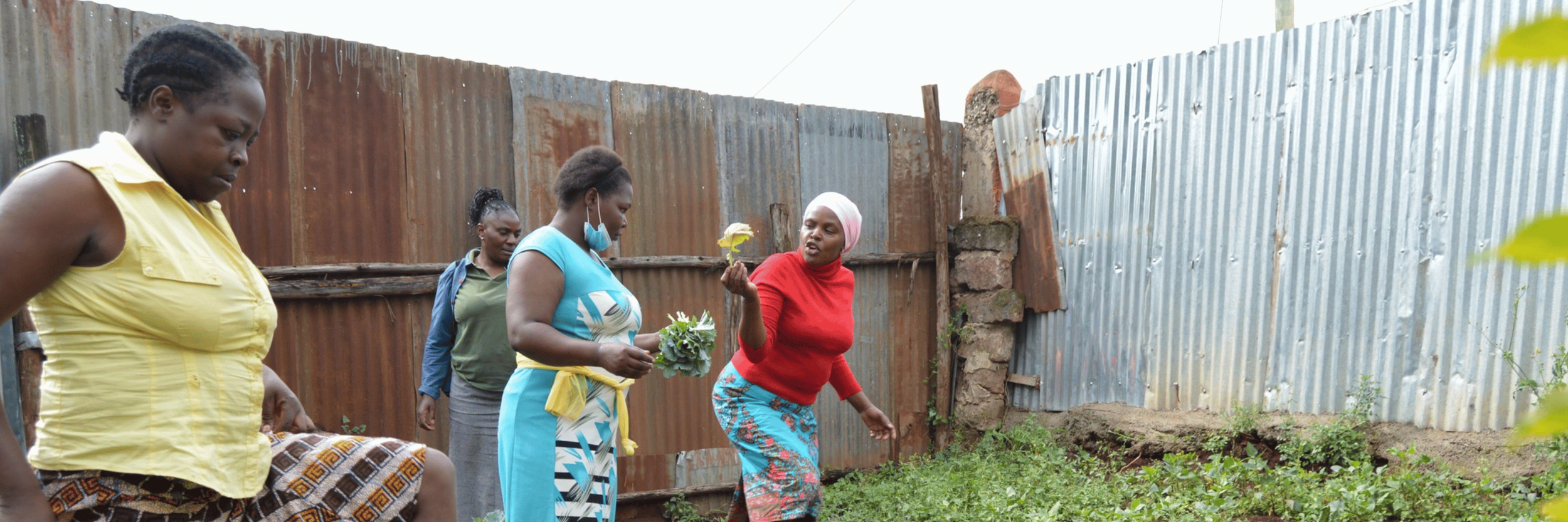
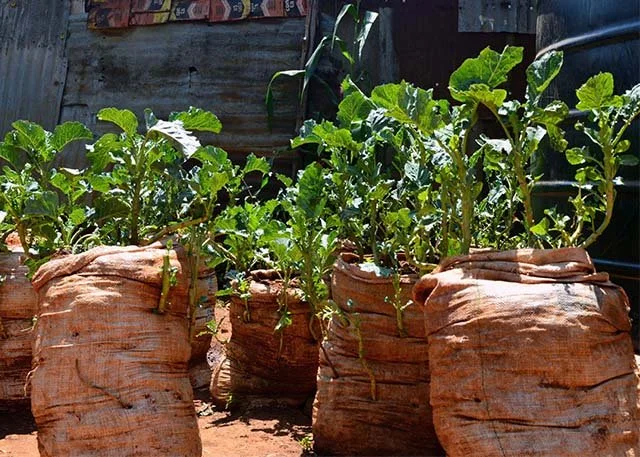
To help families become more food-secure, Kijiji Cha Upendo trained more than 60 caregivers in sustainable gardening. One of the more creative approaches is the “Garden in a Sack” model, where any open container—even old pant leggings—can, with the right techniques, be a source of healthy food. Surplus produce can be sold to others, supplementing family incomes.
Food baskets, gardening support and loans add up to keeping children healthy.
Home gardens help women feed their families and earn income.

Psychosocial Support
2,000+ children, youth and caregivers received counselling
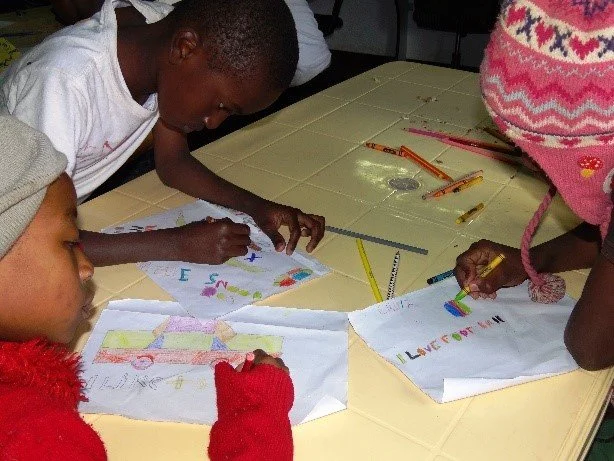
Emotional and mental wounds from violence, loss and illness are only exacerbated by extreme poverty. Kijiji Cha Upendo helped more than 2,000 individuals with one-on-one sessions and home visits from trained counsellors. Concerns addressed included trauma recovery, stress, domestic conflict, adolescent behaviour issues, and stigma associated with HIV/AIDS. For children, support included age-appropriate activities such as storytelling and art therapy.
“Kijiji” formed women’s circles that provide weekly gatherings, promoting healing and mutual support. In these safe spaces, women openly share their experiences related to issues including gender-based violence, reproductive health, and single motherhood without fear of judgment. Women regain a sense of agency, improve their mental well-being, and form lasting social bonds.
Life skills training and mental health support bring relief for this mother.

Community Engagement and Advocacy
100+ community health forums hosted
Kijiji Cha Upendo has worked with community members to address the root causes of poverty and suffering. Staff and beneficiaries participated in education and child welfare networks and meetings with the government. Kijiji Cha Upendo has conducted advocacy campaigns on children’s rights, reducing HIV stigma, and promoting girls’ education. A delegation of Kibera women participated in a pan-African conference on women’s issues in Nairobi, where ideas were shared on peacebuilding, economic self-reliance, and grassroots mobilization—ideas they brought back to their community.
A particular focus for community engagement has been health promotion. Kijiji Cha Upendo has hosted more than 100 community health forums over the past 11 years, addressing topics such as HIV prevention, nutrition, maternal and child health, menstrual hygiene, cancer screening and gender rights.

An overview of Kijiji Cha Upendo – including how they address root causes of poverty.
(Since this video was created, the program has grown. Today, Kijiji supports 150 women and more that 700 children.)